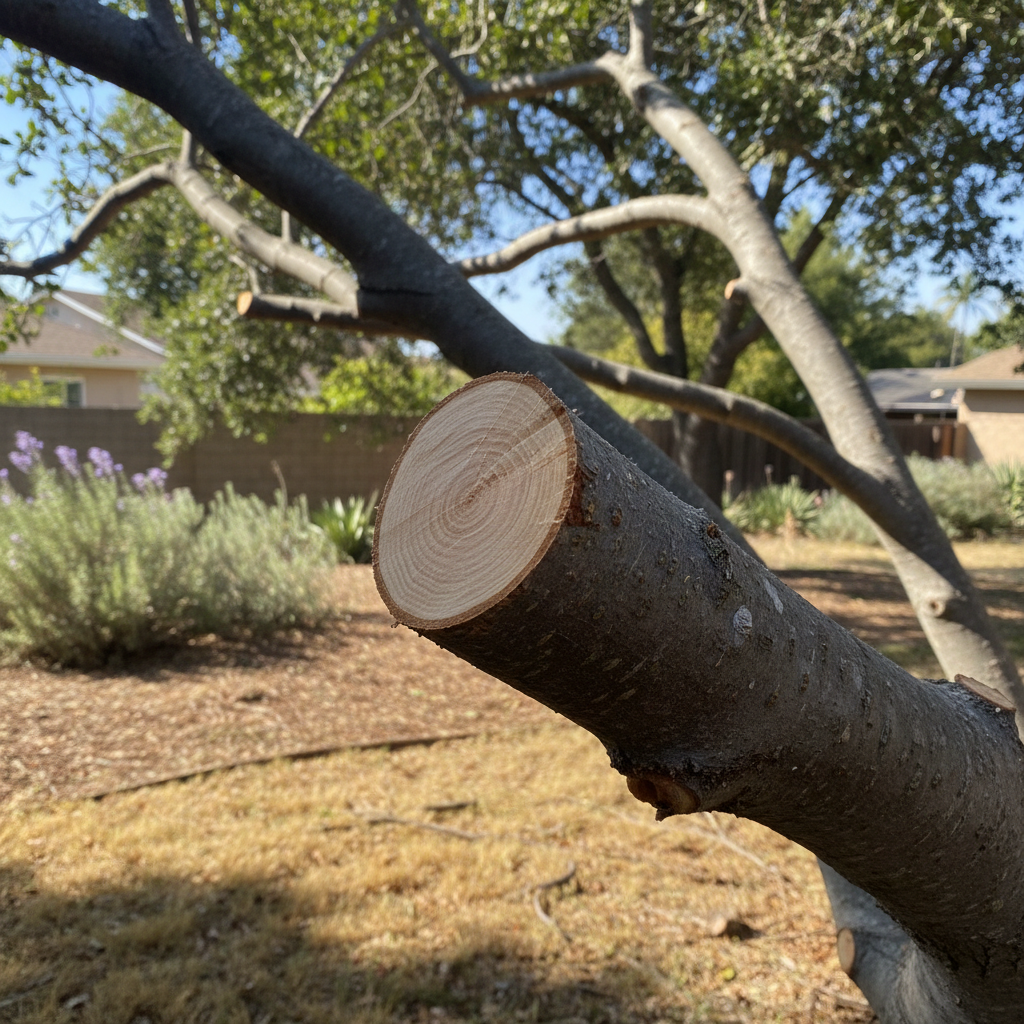
Alright, let's talk about trimming your trees here in Aliso Viejo. I see a lot of folks out there with ladders and saws, and while I appreciate the can-do spirit, sometimes you're doing more harm than good, or worse, putting yourself in a dangerous spot. So, what can you realistically do yourself, and when should you absolutely pick up the phone and call a professional?
Before You Even Grab a Tool
First things first: know your tree. Is it a young sapling or a mature oak that's been standing since before Aliso Viejo was even a city? The size and age make a huge difference. Also, what kind of tree is it? Some trees, like citrus, handle a good annual trim just fine, while others, especially certain evergreens common in our area, don't respond well to aggressive pruning and can get stressed out or even die.
You also need to know why you're trimming. Are you trying to remove dead branches? Improve air circulation? Clear a branch away from your roof? Shape it for aesthetics? Each reason might call for a different approach. Don't just start cutting because it 'looks messy.' Have a plan.
Safety is non-negotiable. If you're going to do any trimming yourself, you need the right gear. We're talking sturdy gloves, safety glasses, a hard hat if you're working overhead, and proper footwear. No flip-flops, people. And make sure your tools are sharp and in good working order. Dull tools tear branches, which leaves open wounds for pests and diseases.
What You Can Probably Handle Yourself
For most homeowners, DIY trimming should be limited to small, accessible jobs. Think:
- Removing small dead or diseased branches: If a branch is clearly dead (no leaves, brittle, discolored) and you can reach it safely from the ground or a small, stable step ladder, go for it. Make sure your cut is clean and close to the branch collar – that slightly swollen area where the branch meets the trunk or a larger limb. Don't leave stubs.
- Pruning suckers and watersprouts: These are those fast-growing, often vertical shoots that pop up from the base of the tree or along branches. They're usually weak and don't contribute much to the tree's health or structure. You can snip these off anytime.
- Light shaping of young trees: If you've got a young tree, you can do some light formative pruning to encourage good structure. This means removing crossing branches or those growing inward. Again, keep it small and manageable.
Remember, if you're reaching for a pole saw, you're probably already outside the DIY zone for anything more than the smallest, lowest branches. And if you're thinking about climbing a ladder higher than a few steps, stop.
When It's Time to Call a Pro (Like Aliso Viejo Tree Service)
This is where I come in, and frankly, it's where you should be calling us. There are several situations where trying to save a buck yourself can end up costing you a lot more in property damage, injury, or even killing your tree.
- Any branch over 2 inches in diameter: This is a good rule of thumb. Larger branches are heavy, can fall unpredictably, and require specific cutting techniques to avoid tearing the bark or damaging the tree.
- Branches near power lines: Seriously, don't even think about it. This is incredibly dangerous and can be fatal. Utility companies often have rules about this, and you could be liable if something goes wrong. Always call the utility company first, then us.
- Branches that require a ladder: If you need to be on a ladder to reach the branch, especially if you're using a saw, that's a job for a professional with the right equipment – harnesses, ropes, and trained climbers. A fall from a ladder with a saw in your hand is no joke.
- Large tree structural pruning: If your tree needs significant shaping, thinning, or crown reduction, you need someone who understands tree biology and proper pruning cuts. Bad cuts can lead to decay, weak spots, and even tree failure down the line.
- Trees that are diseased or damaged: If you suspect a disease or if a storm has damaged a large limb, you need an expert to assess the situation. Improper removal can spread disease or cause further damage to the tree.
- Palm tree trimming: Those fronds are heavy, and getting up there is tricky. Plus, you need to know how to remove them without damaging the trunk.
We've got the specialized equipment, the training, and the insurance to handle these jobs safely and effectively. We know how to work around the clay soil we often find in Aliso Viejo, which can sometimes impact root systems and tree stability, making proper canopy management even more important.
After the Cut
Once the trimming is done, whether by you or us, clean up the debris. Don't leave piles of branches around; they can harbor pests. For any larger cuts, don't bother with wound paint or sealant. Research has shown it often does more harm than good by trapping moisture and pathogens. Trees are pretty good at healing themselves if the cut is clean and proper.
Keep an eye on your tree in the weeks and months following the trim. Look for any signs of stress, excessive sap, or unusual growth. If you notice anything concerning, give us a call. Proper tree care is ongoing, not a one-and-done deal.
So, be smart about it. A little DIY can be fine, but know your limits. When in doubt, or when the job gets big, high, or tricky, that's when you call Aliso Viejo Tree Service. We're here to keep your trees healthy and your property safe.